
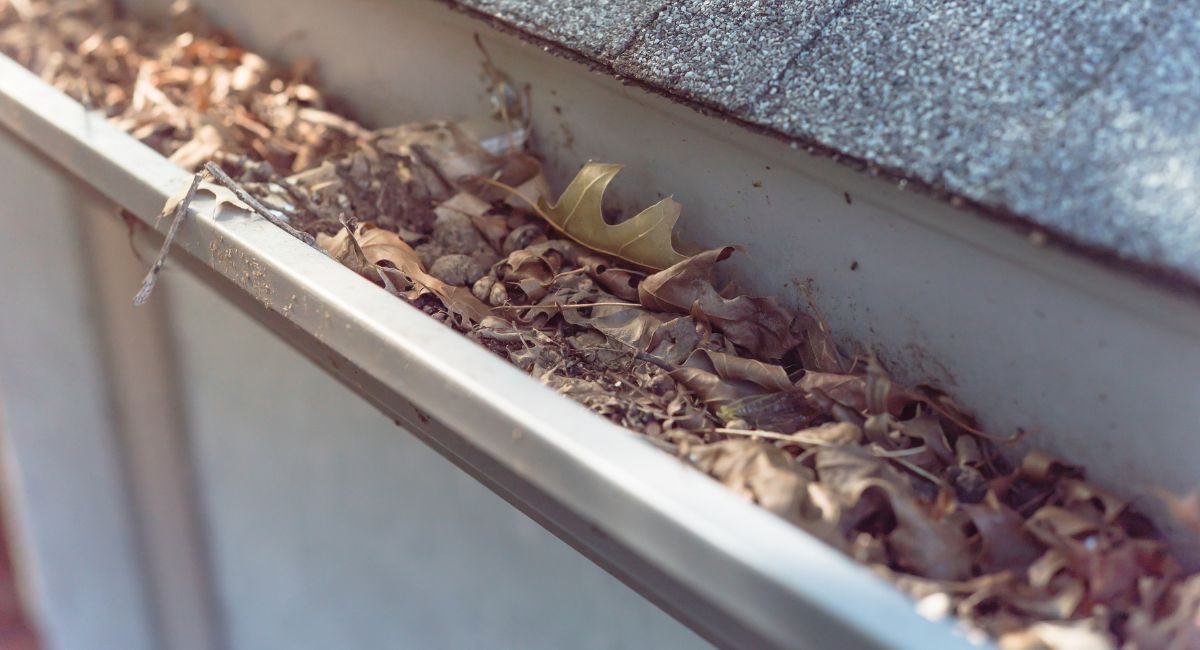
Are you tired of climbing up that ladder yet again to clear out clogged gutters? It's a frustrating and time-consuming chore that seems to never end. You clean them out, only to find them stuffed with leaves and debris a few months later.
Clogged gutters are more than just an annoyance - they can cause serious problems for your home. When gutters can't properly channel water away from your house, it can lead to roof leaks, foundation damage, basement flooding, and even mold growth. These issues are far costlier to fix than simply maintaining clear gutters.
So why do your gutters keep clogging? There are several common culprits, including overhanging trees, small gutter openings, and improper gutter slope. Understanding the root causes can help you find lasting solutions to keep your gutters flowing freely and protect your home from water damage. Let's explore some of the main reasons behind persistent gutter clogs and what you can do about them.
The Most Common Causes of Clogged Gutters
Clogged gutters can lead to a host of problems for homeowners. Understanding the primary culprits behind these blockages is crucial for maintaining a functional gutter system and protecting your home from water damage.
Leaves and Debris Accumulation
Leaves and debris are the most frequent offenders when it comes to clogged gutters. During autumn, trees shed their foliage, which can quickly fill up your gutters. But it's not just fall that poses a problem. Year-round, wind can blow various debris into your gutters:
- Twigs and small branches
- Pine needles
- Seed pods and acorns
- Moss and algae growth
To combat this issue, regular cleaning is essential. Consider installing gutter guards to reduce debris accumulation. These protective covers allow water to flow while keeping larger items out.
Improper Gutter Slope
Have you noticed water pooling in certain sections of your gutters? This could be due to improper slope. Gutters need to be angled correctly to ensure water flows towards the downspouts. A slope of about 1/4 inch per 10 feet is typically recommended.
Over time, gutters can sag or become misaligned due to:
- Heavy snow and ice loads
- Age and wear
- Improper installation
To fix this, you'll need to adjust the hangers or brackets supporting your gutters. In some cases, you might need to reinstall sections to achieve the proper slope.
Shingle Granules
Do you have asphalt shingles on your roof? As these shingles age, they shed granules that can accumulate in your gutters. This gritty material can form a dense, cement-like substance when mixed with other debris and water.
To address this:
- Regularly inspect your roof for signs of wear
- Clean gutters more frequently if you have older shingles
- Consider replacing worn shingles to reduce granule shedding
Animal Nests
Birds, squirrels, and other small animals might view your gutters as prime real estate for nesting. These nests can quickly lead to blockages and prevent proper water flow.
Signs of animal activity in your gutters include:
- Unusual noises coming from the roof area
- Visible nesting materials sticking out of gutters
- Increased animal activity around your roofline
To deter animals, consider installing gutter guards or placing deterrents like spikes or netting around your gutters.
The Design of Your Home's Gutter System
Sometimes, the very design of your gutter system can contribute to clogs. Factors that can increase the likelihood of blockages include:
- Insufficient downspouts for the roof area
- Tight corners or angles where debris can accumulate
- Undersized gutters that can't handle heavy rainfall
Addressing these issues might require modifying your gutter system. This could involve adding downspouts, increasing gutter size, or redesigning problematic sections.
Consequences of Ignoring Clogged Gutters
Neglecting clogged gutters can lead to serious problems for your home. The issues range from foundation damage to landscape erosion, potentially costing thousands in repairs.
Damage To Your Home's Foundation
Clogged gutters prevent proper water drainage, causing it to overflow and pool around your home's foundation. This excess moisture can seep into cracks, expanding them over time. In colder climates, the water may freeze and thaw repeatedly, further compromising the foundation's integrity.
As the foundation weakens, you might notice:
- Cracks in walls or floors
- Doors and windows that stick or won't close properly
- Uneven or sloping floors
Left untreated, foundation issues can lead to structural instability. Repairs for severe foundation damage can cost tens of thousands of dollars.
Basement Flooding
When gutters can't channel water away from your home, it often finds its way into your basement. This can happen through small cracks in the foundation or poorly sealed windows.
Signs of basement flooding include:
- Damp or wet spots on walls and floors
- Musty odors
- Mold growth
- Water stains on walls or ceilings
Persistent moisture in your basement creates an ideal environment for mold and mildew. These can pose health risks and damage your belongings. Fixing a flooded basement and addressing mold issues can be costly and time-consuming.
Damage To Your Roof
Clogged gutters can cause water to back up onto your roof, especially in the valleys where different roof sections meet. This standing water can seep under shingles, leading to rot in the roof decking and structural supports.
You might notice:
- Water stains on ceilings or walls
- Sagging areas in your roof
- Missing or damaged shingles
In winter, ice dams can form more easily when gutters are clogged. These ice formations prevent melting snow from draining, forcing water under your shingles and into your home. Roof repairs or replacements due to water damage can be extremely expensive.
Erosion of Landscaping
When water overflows from clogged gutters, it can wash away soil and damage your landscaping. This erosion can expose tree roots, kill plants, and create unsightly gullies in your yard.
The impact on your landscaping might include:
- Bare patches where grass has been washed away
- Exposed tree roots, potentially destabilizing trees
- Damage to flower beds or garden areas
- Formation of small trenches or gullies
Repairing eroded landscaping can be labor-intensive and costly. It may require bringing in new soil, replanting grass or plants, and addressing drainage issues to prevent future problems.
How You Can Prevent Gutter Clogging
Preventing gutter clogs is essential for maintaining your home's drainage system. By implementing a few key strategies, you can keep your gutters functioning properly and avoid potential damage to your property.
Routine Maintenance, Cleaning, and Inspections
Regular gutter maintenance is crucial for preventing clogs. Clean your gutters at least twice a year, typically in spring and fall. Remove leaves, twigs, and debris by hand or with a small scoop. Flush the gutters with water to ensure proper flow.
Inspect your gutters during cleaning. Look for signs of damage, such as cracks or sagging. Address these issues promptly to prevent further problems.
Check the slope and alignment of your gutters. They should have a slight downward slope towards the downspouts for efficient water flow. Adjust if necessary to prevent water pooling.
Don't forget to clean and inspect your downspouts. Use a plumber's snake or high-pressure water to clear any blockages.
Installing Gutter Guards
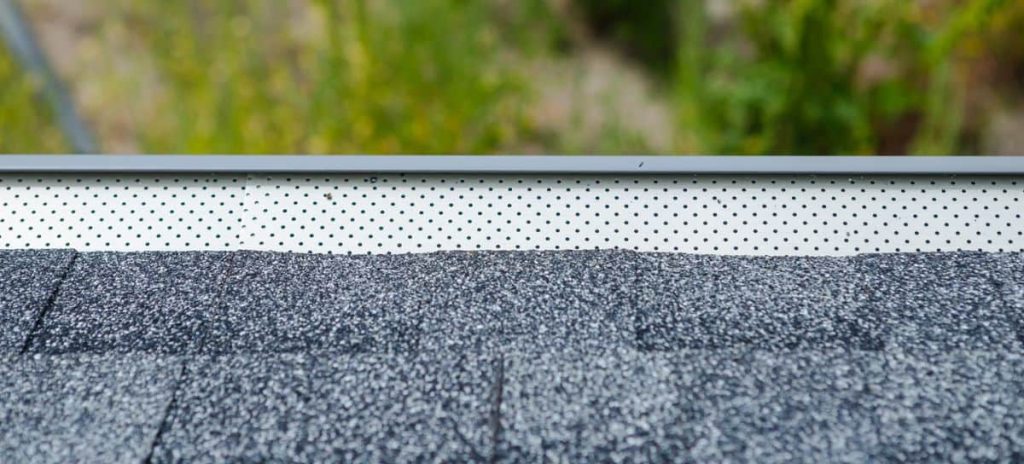
Gutter guards significantly reduce debris buildup in your gutters, allowing water to flow freely while keeping out leaves and other materials. While there are various types of guards available—such as mesh screens, reverse curve guards, foam inserts, and brush inserts—we strongly recommend a perforated metal option like the Alu-Rex systems, for their durability and effectiveness.
However, one important caveat is that while gutter guards can be effective, they're not a complete solution. You'll still need to perform occasional maintenance and inspections.
If you’re in the Ottawa area, and are interested in learning more about how Alu Rex gutter guards can protect your home, contact us today to learn more.
Trimming Overhanging Trees
Trees near your home can contribute significantly to gutter clogs. Regularly trim branches that hang over your roof to reduce the amount of leaves and debris falling into your gutters.
Aim to keep branches at least 10 feet away from your roof line. This not only helps prevent gutter clogs but also reduces the risk of roof damage during storms.
Consider the types of trees near your home. Some species, like oak and maple, shed more leaves and can cause more frequent clogs. You might need to trim these trees more often or consider additional preventive measures.
Remember to check for and remove any seedlings growing in your gutters during your regular inspections. These can quickly take root and cause blockages if left unchecked.
Conclusion
Clogged gutters are more than just an inconvenience; they’re a potential threat to the integrity of your home. The key to avoiding costly damage is to stay proactive. Regular maintenance, strategic upgrades like installing quality gutter guards, and professional inspections are crucial steps in safeguarding your property.
If you’re dealing with persistent gutter issues or want to upgrade your system, consider reaching out to us. At Eavesthetic Gutter Co., we’re committed to providing Ottawa homeowners with reliable solutions that stand the test of time. Contact us today to discuss how we can help protect your home from water damage.